





Call Us Today!
(718) 716-4400
.jpg)
At MHHC, we recognize that winter brings a rich tapestry of celebrations from many cultures and traditions. While Christmas is widely known, it is only one of many meaningful holidays observed around the world. This season, we honor the diverse ways our staff finds light, joy, and connection.

Want to share how your family or department makes the holiday special? Click here to upload a photo and/or story now, for a chance to be featured on our website and the monthly Chronicle!
Hanukkah is an eight-day Jewish holiday that celebrates a miracle from more than 2,000 years ago, when a small group of Jewish fighters called the Maccabees reclaimed their temple from King Antiochus. After regaining control of the Temple in Jerusalem, they found only a single jar of consecrated oil, just enough to light the temple’s candles for one day. According to tradition, the oil miraculously burned for eight days, giving them time to prepare more and fully rededicate the temple.
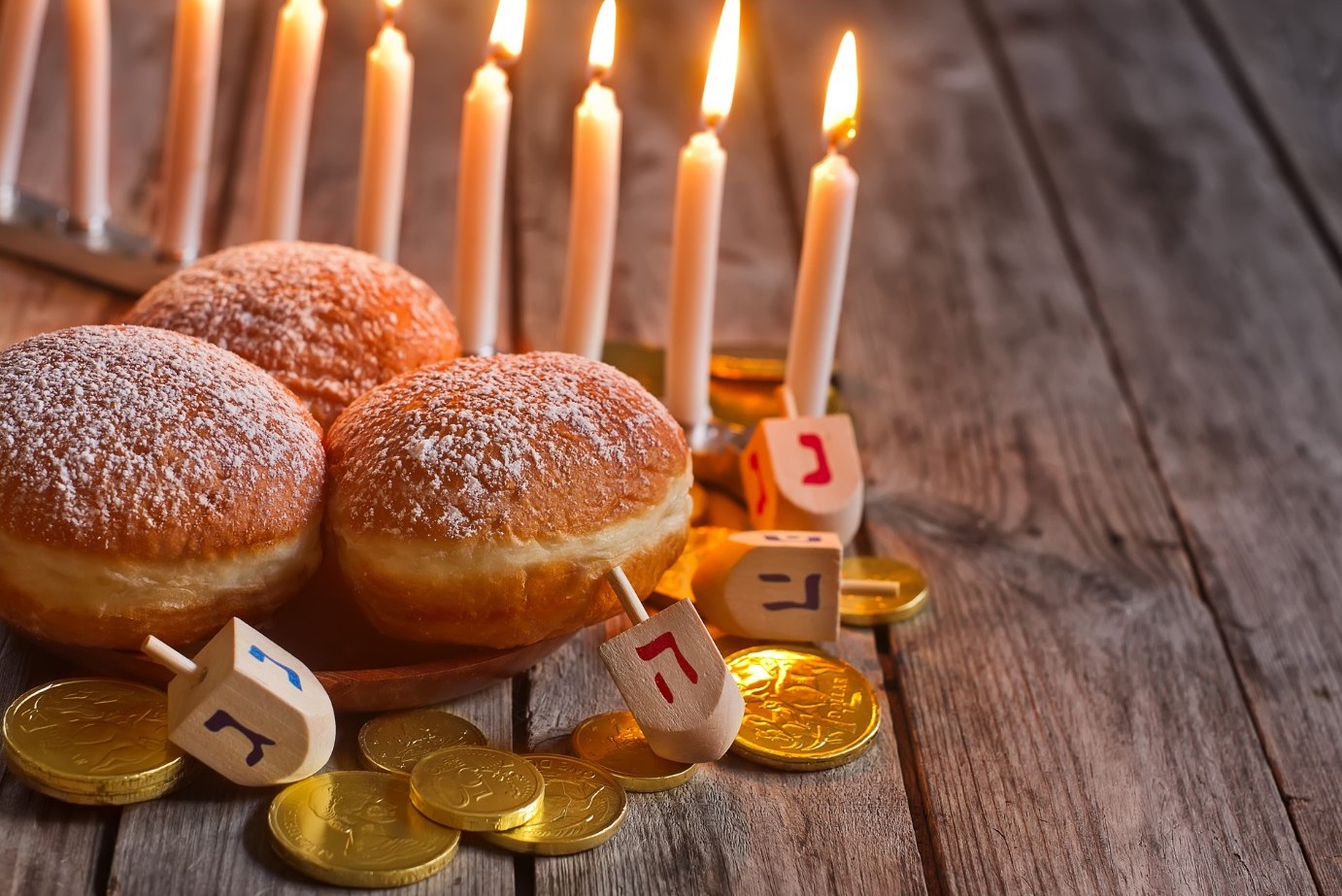
Today, Jewish families around the world celebrate by lighting candles on a menorah, sharing blessings, singing songs, and exchanging gifts. Traditional foods include deep-fried potato pancakes called latkes and jelly-filled donuts called sufganiyot, symbolizing the lasting oil. Children and adults also play with a spinning top called a dreidel, sometimes winning chocolate coins called gelt. These customs bring families together, creating joy and memories while honoring the story of the miracle.
Celebrated every year on December 24, Nochebuena is a joyful Christmas
Eve tradition honored by Latinx, Spanish, and Filipinx families around
the world. The name means “good night” in Spanish, and the
celebration brings loved ones together to share gratitude, enjoy festive
foods, and take part in cultural or religious customs. Many families prepare
traditional dishes such as roasted pork, rice and beans, plantains, yuca,
pasteles, and coquito, while spending the evening with music, laughter,
and sometimes opening gifts at midnight.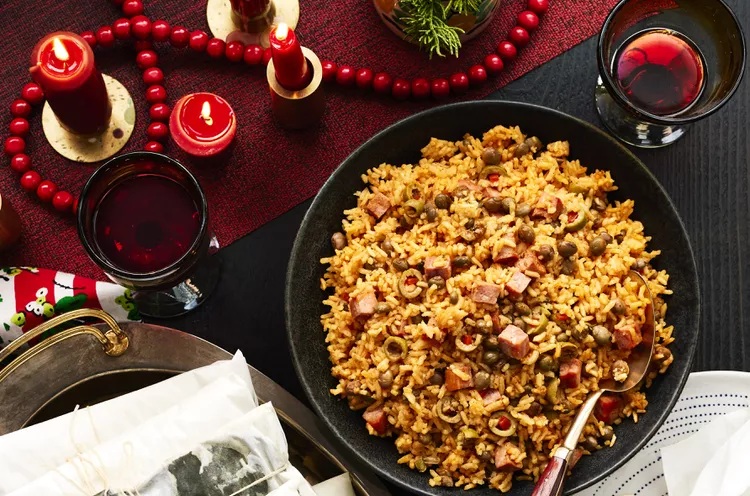
For many people, especially Roman Catholics, Nochebuena also includes attending La Misa del Gallo, or the “Mass of the Rooster,” a midnight service celebrating the birth of Jesus. Though traditions vary across countries, including throughout Latin America, Spain, and the Philippines, the heart of Nochebuena is the same everywhere: gathering with family and friends to honor heritage, share meaningful rituals, and celebrate a night filled with warmth and community.
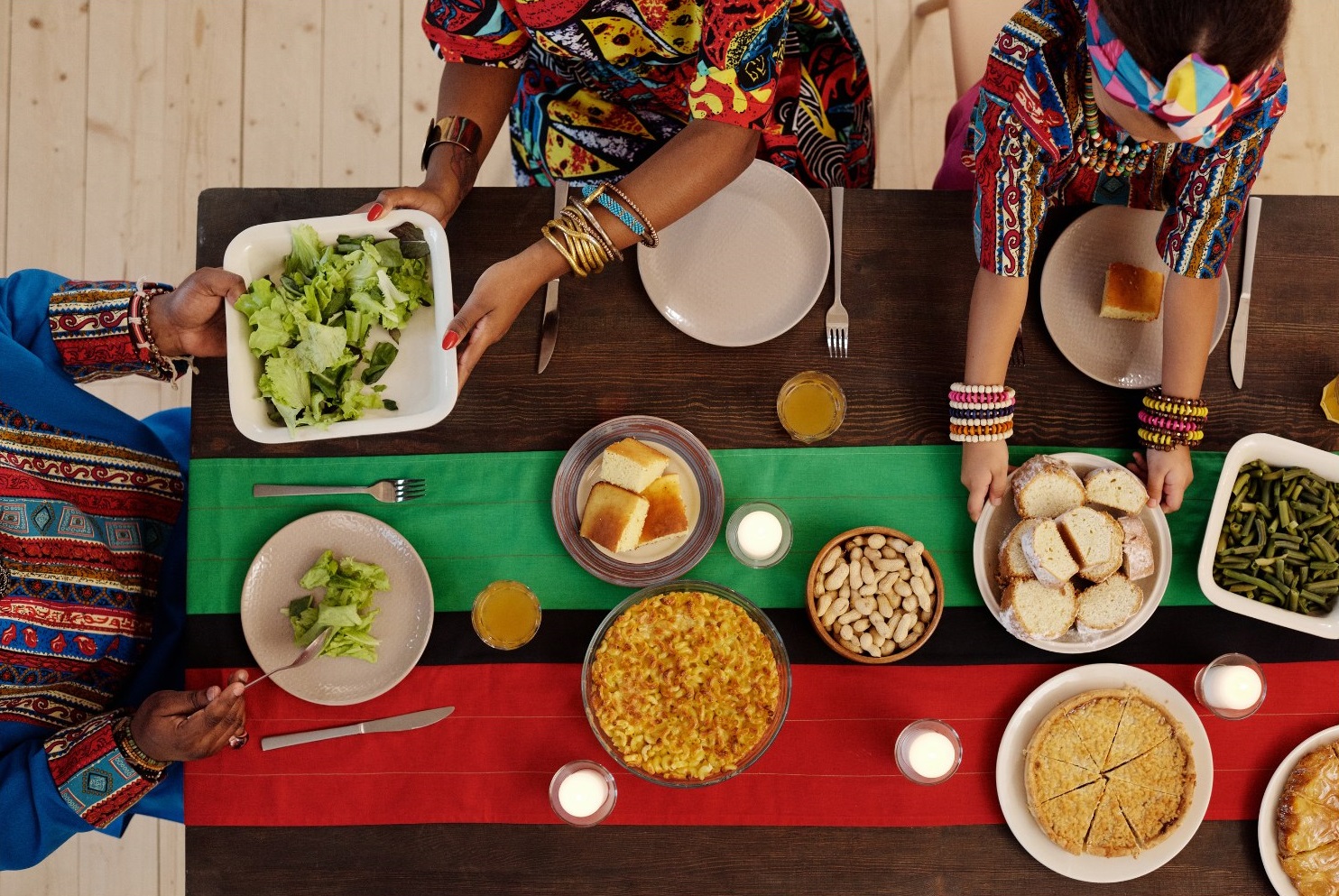
Celebrated every year from December 26 through January 1, Kwanzaa is a week of festivities honoring African American culture and heritage. The holiday was created in 1966 during a time when African Americans faced unfair treatment because of their skin color. Kwanzaa celebrates their struggles, achievements, and culture, encouraging families and friends to come together to give thanks, share meals, and exchange gifts. Kwanzaa, translated as “first fruits” in Swahili, is inspired by African cultural traditions and is centered around seven principles: unity, self-determination, collective work and responsibility, cooperative economics, purpose, creativity, and faith. Families often decorate their homes with symbols of African heritage, such as a woven mat called a mkeka, a basket of fruits and vegetables, and one ear of corn for each child. Each night, a candle is lit on the kinara, and the family shares a sip from the unity cup, or kikombe cha umoja, while chanting “harambee,” meaning “let’s pull together.”
At the end of the Twelve Days of Christmas comes a day called the Epiphany,
or Three Kings Day. This holiday is celebrated as the day the three wise
men first
saw baby Jesus and brought him
 gifts. In Spain, many children get their Christmas presents on this day.
In Puerto Rico, before children go to sleep on January 5, they leave a
box with hay under their beds so the kings will leave good presents. Here
in the Bronx, where many Puerto Rican and Dominican families live, the
holiday is celebrated with community events, parades, church services,
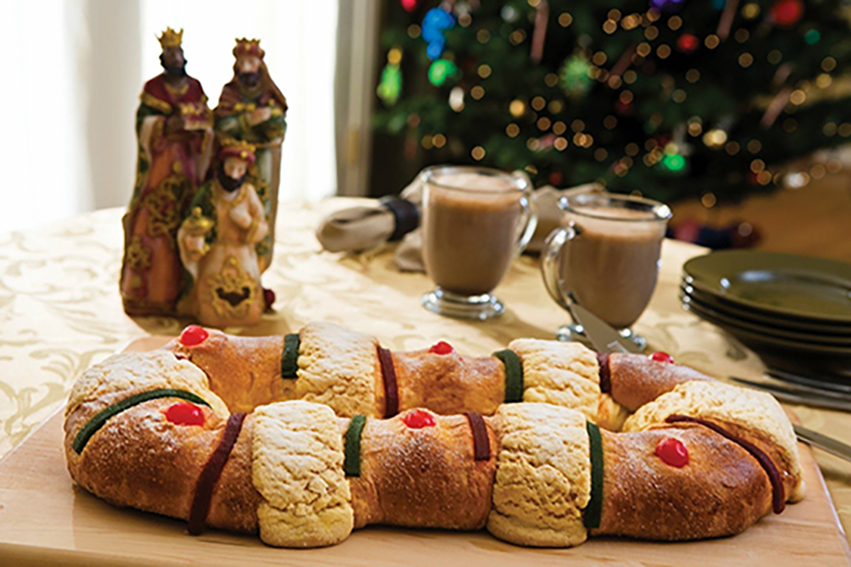
and the sharing of Rosca de Reyes, a special sweet bread with a tiny baby
Jesus hidden inside. It’s a joyful time where families and neighbors
come together to honor this tradition and keep the magic of the season alive.
gifts. In Spain, many children get their Christmas presents on this day.
In Puerto Rico, before children go to sleep on January 5, they leave a
box with hay under their beds so the kings will leave good presents. Here
in the Bronx, where many Puerto Rican and Dominican families live, the
holiday is celebrated with community events, parades, church services,
and the sharing of Rosca de Reyes, a special sweet bread with a tiny baby
Jesus hidden inside. It’s a joyful time where families and neighbors
come together to honor this tradition and keep the magic of the season alive.